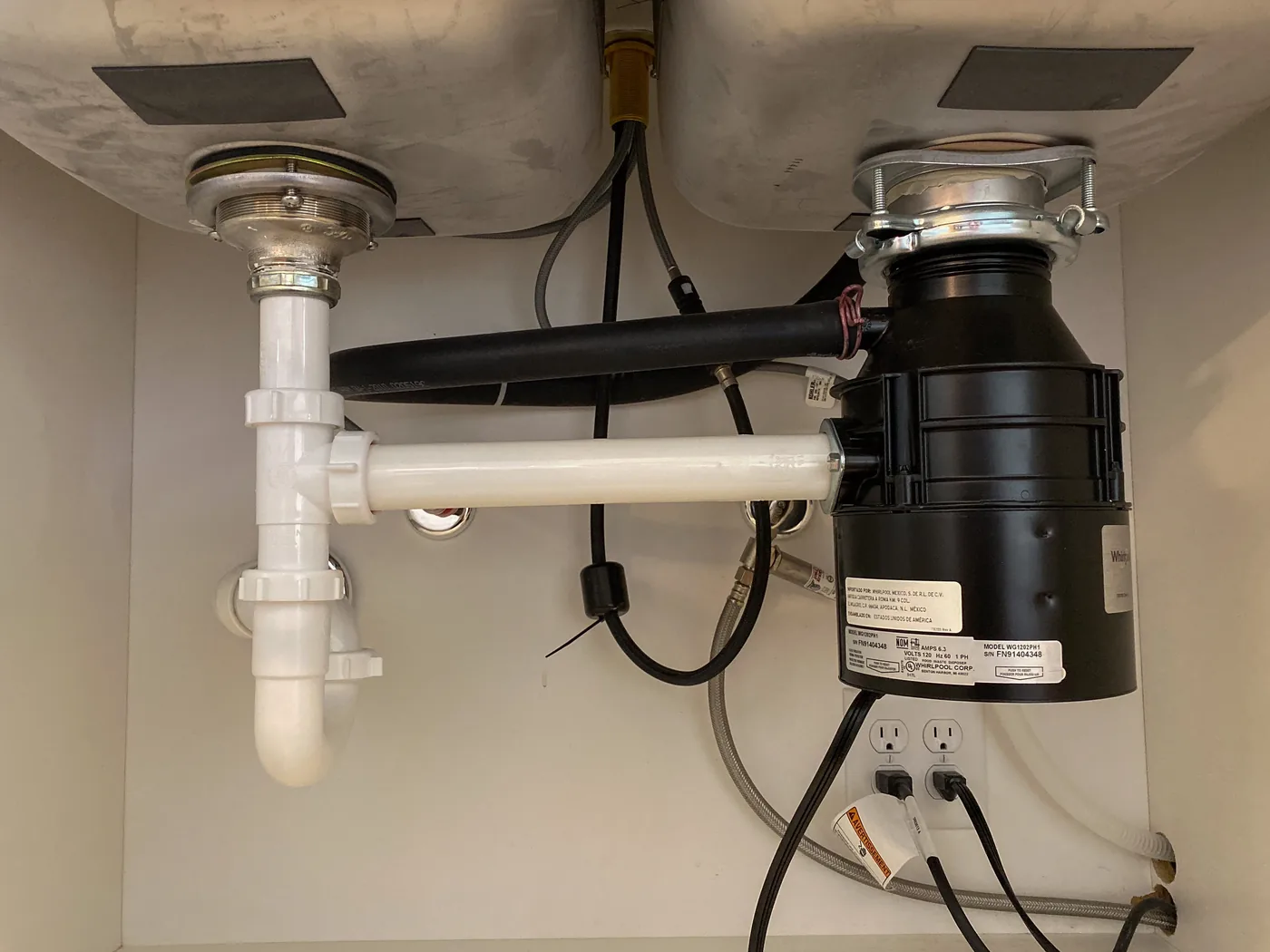
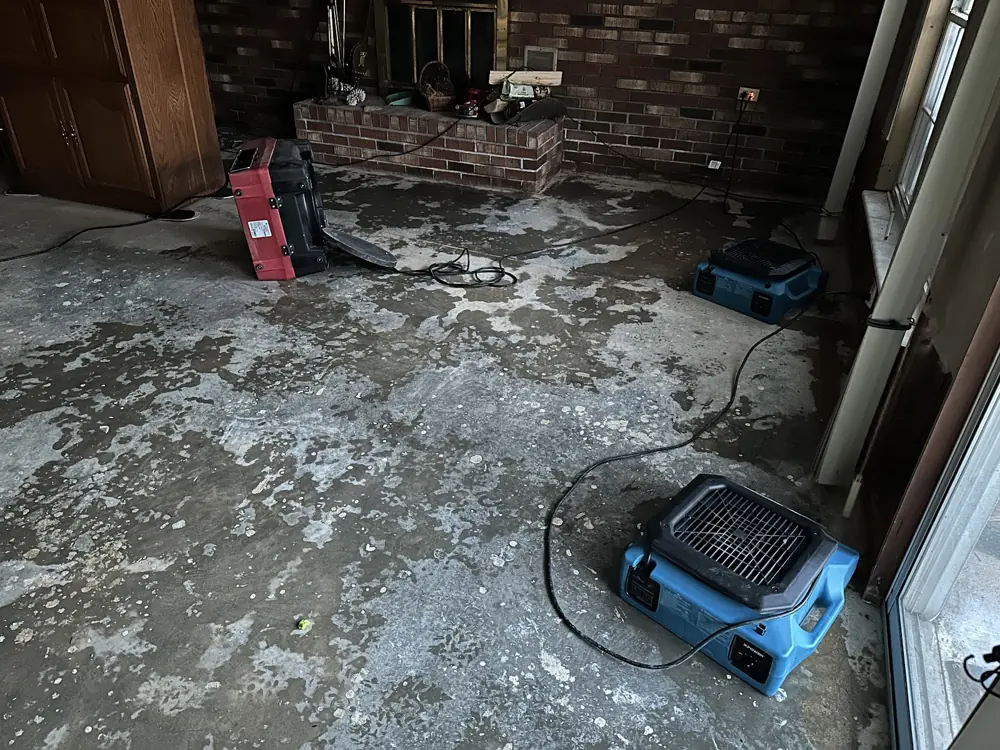
A leaking garbage disposal can quietly soak your Aurora kitchen cabinet, subfloor, and the ceiling below before you notice. Elite Guardian Mitigation answers 24/7, arrives in about an hour, and dries it with IICRC-standard local technicians.

Crews confirm whether the water is coming from the disposal housing, a seal, or a connection, then check the cabinet base, subfloor, and the space below with moisture meters.
Standing water is pulled from under the sink, and ruined cabinet bases or wet flooring come out so the trapped moisture underneath can be reached and dried.
Air movers and a dehumidifier target the cabinet, subfloor, and any ceiling below, with moisture logged daily until the wood and drywall reach a dry standard.
Crews rebuild the cabinet base, subfloor, and any damaged ceiling, and point out the failed disposal or fitting so a plumber can replace it and prevent a repeat.

While help is on the way, these first steps, done only where it is safe, limit the damage and protect the insurance claim.
Shut the supply off at the source, or close the home's main valve if the source is not obvious. Stopping the flow limits the damage more than anything else.
Switch off electricity to the affected area, but only if the breaker can be reached without standing in or touching the water.
Get a crew dispatched right away. The sooner extraction and drying begin, the more flooring, drywall, and belongings can be saved.
Take photos and a short video of the water and the affected rooms before anything is moved, so the insurance claim starts strong.
A garbage disposal leak in Aurora usually costs $800 to $4,500 to clean up and repair, depending on how long the drip went unnoticed and whether it reached the subfloor or the ceiling below. A slow, hidden leak that fed mold costs more than a fresh spill. Sudden, accidental leaks are often covered by homeowner's insurance, and crews bill your carrier directly.
Crews reach Aurora and the south-metro Front Range fast, from Del Mar and Aurora Hills to Village East, Smoky Hill, Mission Viejo, and Tallyn's Reach. See the full list on the areas served across Aurora page.
See all areas servedEvery loss is photographed, measured, and logged from the first visit, so the paperwork holds up with your insurance carrier.
Technicians follow recognized IICRC drying standards and prove the work with daily moisture readings, not guesswork.
Emergency dispatch any hour of the day or night, with a real crew on the way, not a callback in the morning.
A real crew dispatched any hour, not a callback in the morning.
Trained technicians following recognized IICRC drying standards.
Truck-mounted, portable, and submersible for any size loss.
The loss is documented and billed to the carrier directly.
Common signs are water pooling in the cabinet under the sink, a warped or stained cabinet floor, a musty smell, or a damp spot on the ceiling of the room below. Run the disposal and watch the housing and the connections. If you see moisture where it should be dry, call.
Yes. The cabinet under a sink is dark, enclosed, and poorly ventilated, which is exactly the environment mold likes. A slow drip keeps the particleboard and subfloor damp for weeks, and mold can take hold within a day or two of that moisture. Fast drying is what stops it from spreading.
The focus is the water damage: extracting the moisture, drying the structure, and rebuilding what the leak ruined. Crews will identify the failed disposal or connection so you know exactly what needs to be swapped, and crews can coordinate with your plumber so the repair and the drying happen in the right order.
It usually depends on the cause and how sudden it was. Most Colorado homeowner policies cover sudden, accidental water damage, so a cracked housing or a failed connection is often covered. Damage from a leak that was neglected for a long time may not be. Crews document everything and bill your insurer directly.
Aurora crews are on call 24 hours a day, local and fast, and can be on the way within the hour.
Call (720) 807-8182