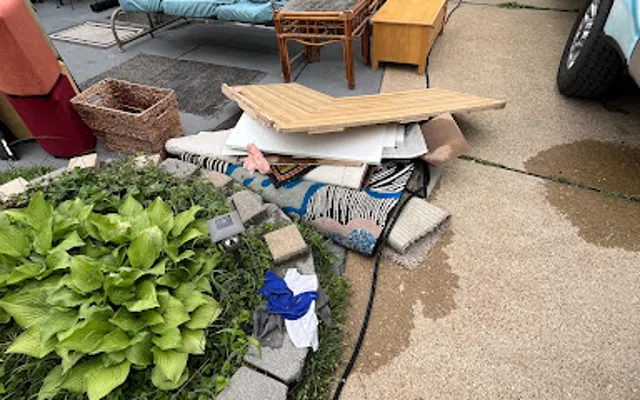
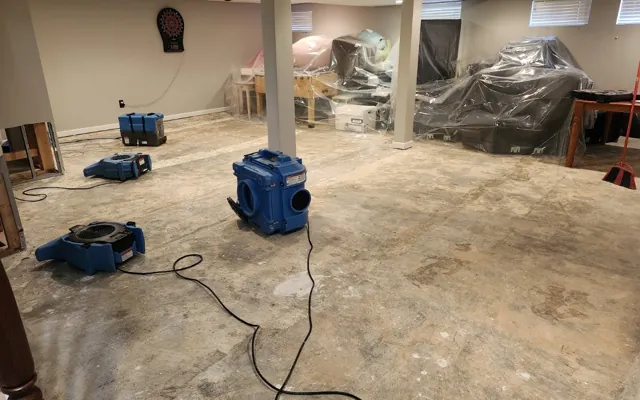
Centennial stretches across miles of two-story subdivisions built on expansive bentonite clay, and whichever corner of this large suburb calls, the IICRC-standard crews respond fast, working against the same clock homeowners are Crews ensure your property is fully restored.

Crews check for soil-related pipe stress alongside the more common finished-basement and irrigation risks, since Centennial's large scale and construction era make several causes equally plausible Crews ensure your property is fully restored.
Pumps clear water from the home quickly, working around whichever specific construction era and foundation type the affected Centennial property represents Crews ensure your property is fully restored.
Given how many miles of bentonite clay subdivisions this suburb covers, crews remove ruined material, treat exposed surfaces, and run equipment with daily logged readings and photos regardless of which corner of the suburb crews are in.

Water main break cleanup in Centennial commonly runs $2,000 to $9,000, depending on how many gallons flooded the home, how far the water spread, and how much finished space, flooring, and drywall must be removed and rebuilt. A break on your private service line usually falls to you, while the city handles its main. Sudden water damage is often covered, and crews bill your insurer directly.
Centennial is one of the largest suburbs in the area, built out almost entirely between the 1970s and 2000s with mile after mile of two-story subdivisions sitting on expansive bentonite clay. That soil movement is a quiet driver behind a lot of slab cracking and pipe stress across the suburb, on top of the usual finished-basement and sprinkler-line risks common to newer construction. Centennial's expansive bentonite clay soil drives a quiet but steady pattern of slab cracking and pipe stress across the suburb's decades of subdivisions, compounding the more familiar finished-basement and sprinkler-line risks that come with so much newer construction built so close together. From Centennial, crews also cover nearby Mission Viejo, Lakeshore, Dam East-West, Heather Gardens, East Ridge-Ptarmigan Park, Heather Ridge. See every neighborhood and town on the full service area page.
See all areas servedEvery loss is photographed, measured, and logged from the first visit, so the paperwork holds up with your insurance carrier.
Technicians follow recognized IICRC drying standards and prove the work with daily moisture readings, not guesswork.
Emergency dispatch any hour of the day or night, with a real crew on the way, not a callback in the morning.
A real crew dispatched any hour, not a callback in the morning.
Trained technicians following recognized IICRC drying standards.
Truck-mounted, portable, and submersible for any size loss.
The loss is documented and billed to the carrier directly.
Water in Centennial, CO crawlspaces can rot framing and subfloors within days if not addressed immediately by professionals. Crews extract the water quickly, dry the entire cavity with industrial dehumidifiers, and monitor moisture levels until the structure reaches verified dry conditions, usually three to five days total.
Emergency water extraction in Centennial, CO typically costs between $1,200 and $5,500 depending on water volume and how far it spread into finished spaces and structural cavities. Sudden losses from burst pipes and storms are usually covered by homeowner insurance, and crews handle all documentation.
Crews are on call 24 hours a day and can be on the way to Centennial within the hour.
Call (720) 807-8182